
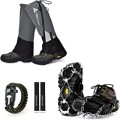
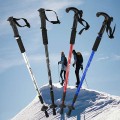


Built to endure extreme temperatures from -40°C to 50°C, These 19 Teeth Anti-slip Crampons are a game-changer for outdoor enthusiasts. Designed specifically for hiking boots, they offer a snug fit and unbeatable performance, making them the best crampons for hiking.
Crafted from robust TPE and fort..
NZ$ 64.90
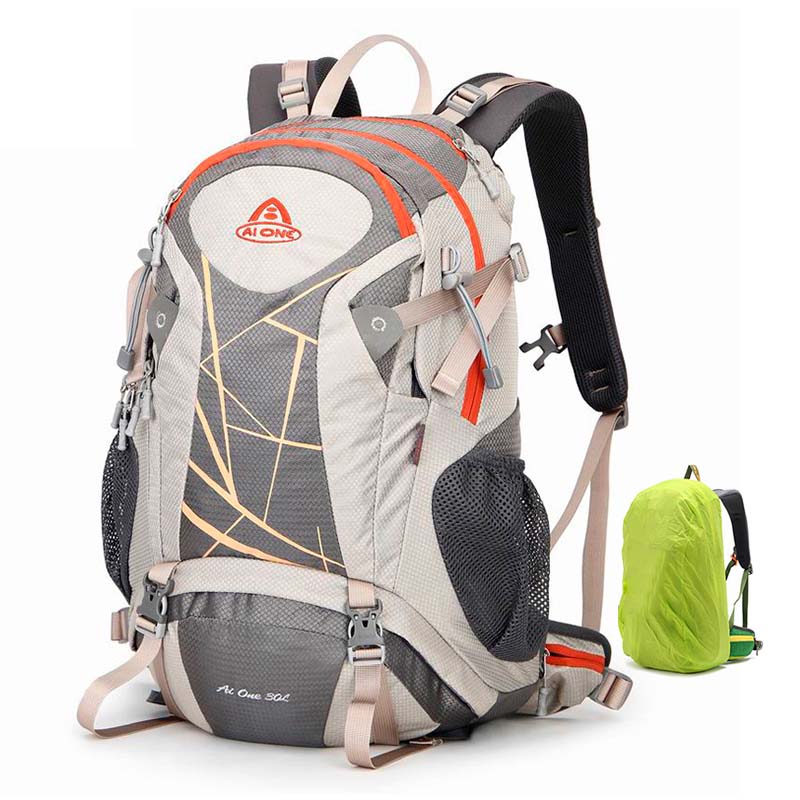
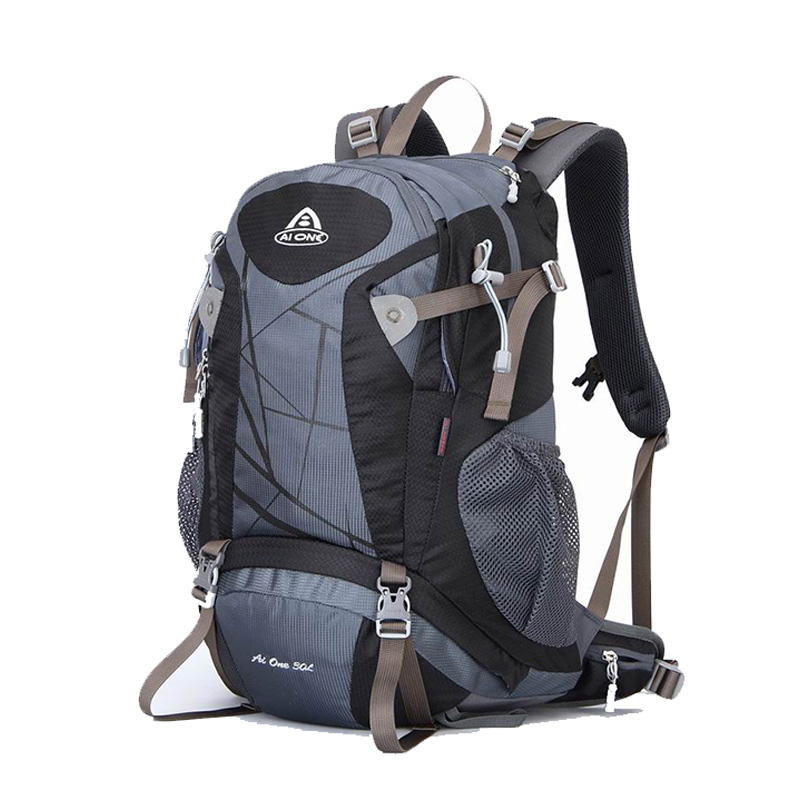
This 30L Travel Backpack with Rain Cover is designed for outdoor enthusiasts seeking a reliable and versatile backpack. Made from 420D nylon, this ultralight and durable backpack features a capacity of 30 liters, with dimensions of 38cm in length, 21cm in width, and 51cm in height. The weatherproof ..
NZ$ 179.00


Unleash your adventurous spirit with our 40L Tactical Backpack, meticulously designed for both functionality and comfort. Whether it's hiking, camping, hunting, fishing, or mountain climbing, this rucksack is designed to cater to all outdoor needs.Crafted from high-quality Oxford material, the backp..
NZ$ 84.90
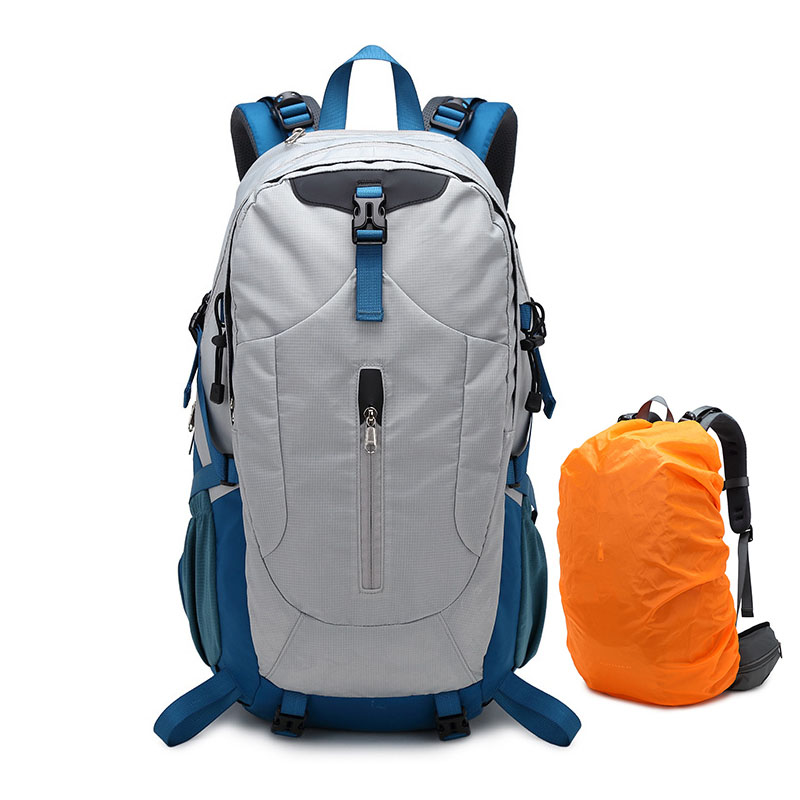

The 40L Travel Backpack with Rain Cover is crafted for outdoor enthusiasts who need reliable gear for their adventures. Made from durable polyester, this lightweight backpack features a 40-liter capacity, measuring 32cm in length, 20cm in width, and 54cm in height, providing ample storage for your e..
NZ$ 149.00
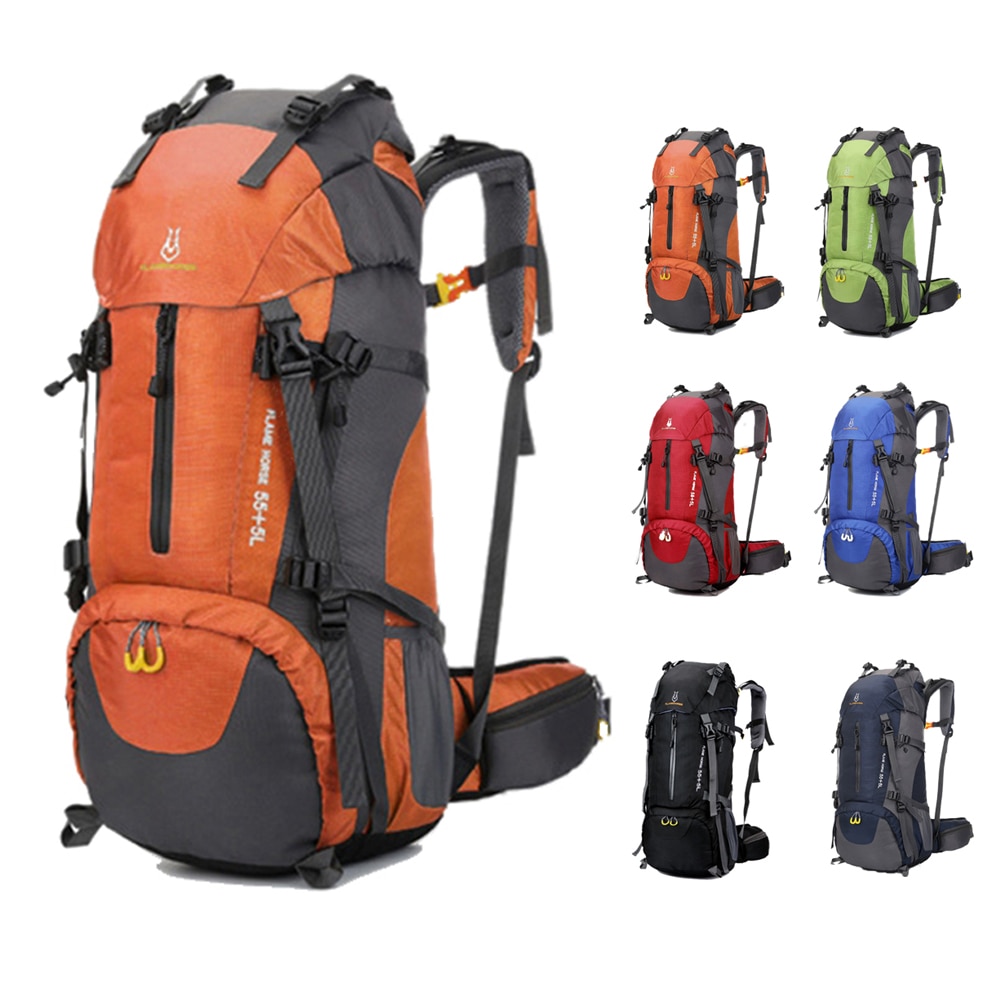

The 60L Desert & Fox backpack is the ultimate companion for your next adventure. Whether you're hiking in the mountains or backpacking through the wilderness, this backpack is designed to provide you with the comfort and durability you need to conquer the trails.Made from high-quality materials,..
NZ$ 129.00
-30 %
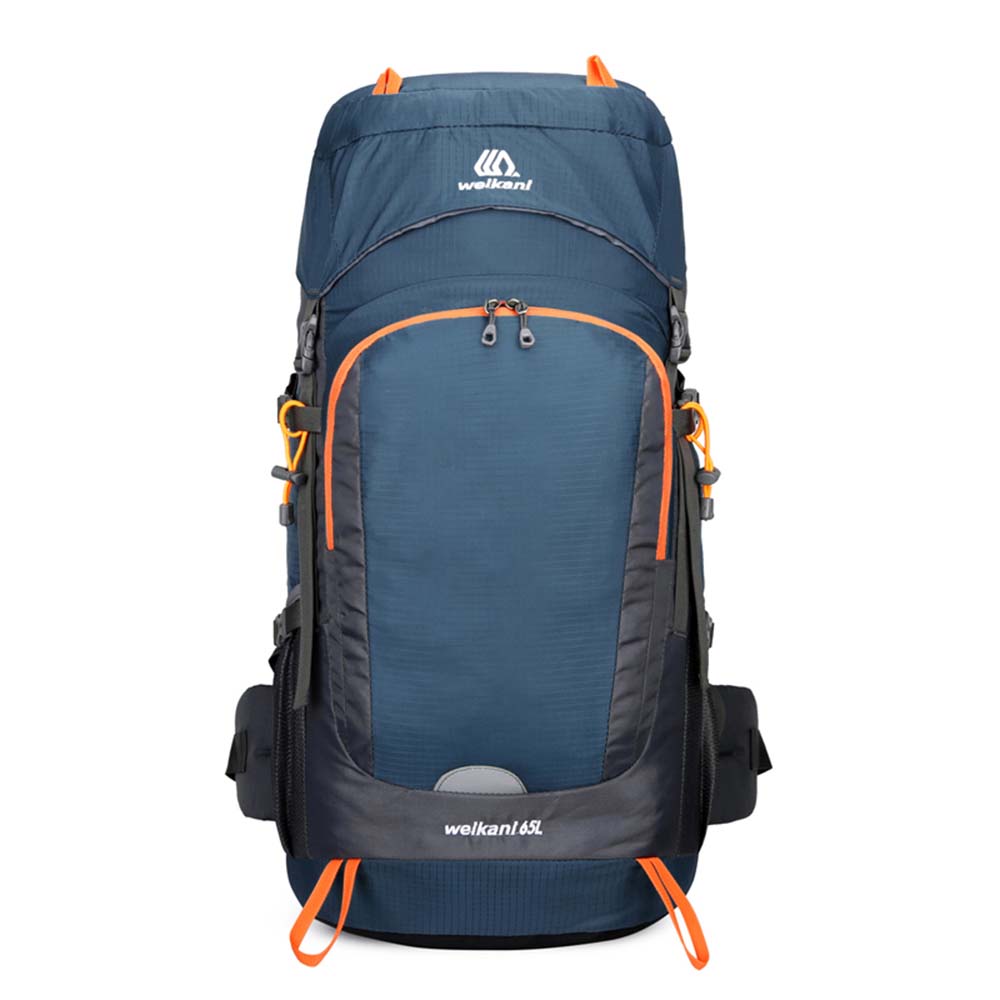
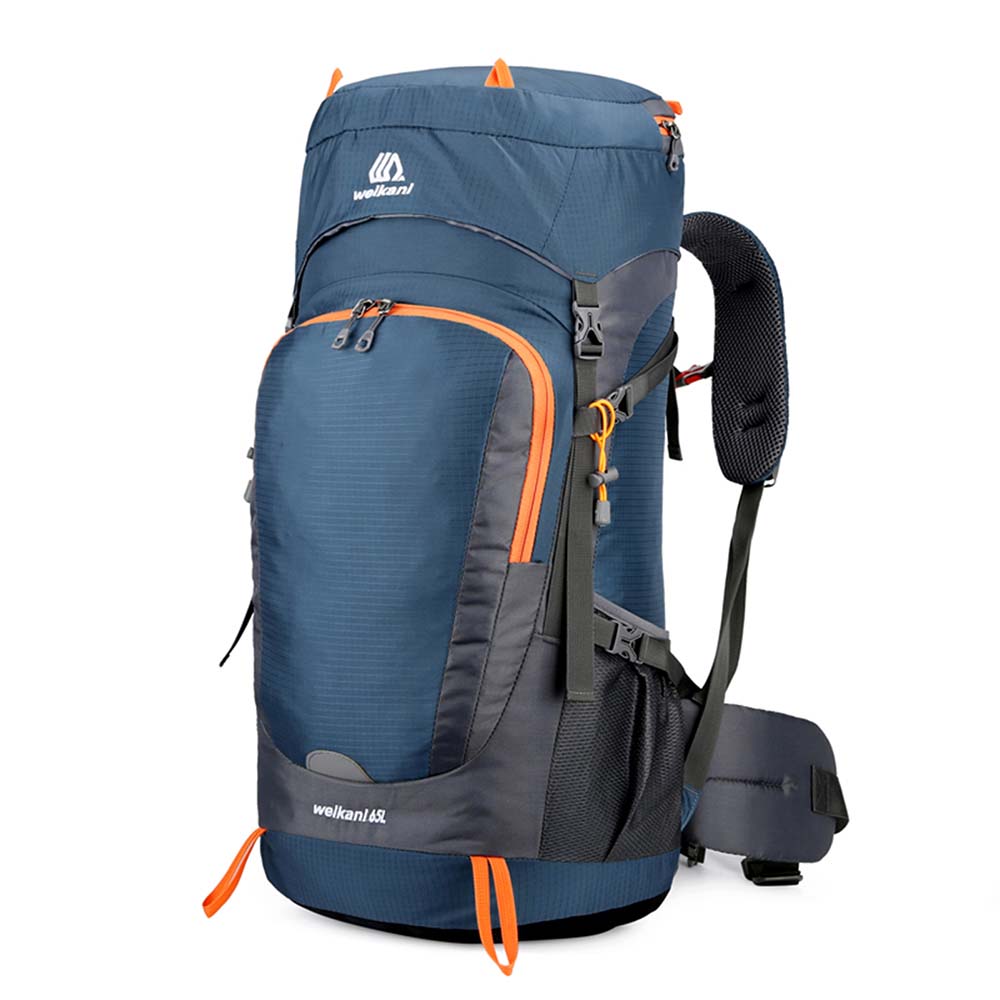
Features- Crafted from rip-stop nylon fabric, water-resistant and extremely durable.- Spacious main compartment with drawstring closure helps tighten the backpack without leaving awkward empty space.- Zippered top pocket, large front pocket, and mesh side pockets help keep your gears organized.- Bre..
NZ$ 140.00 NZ$ 199.00
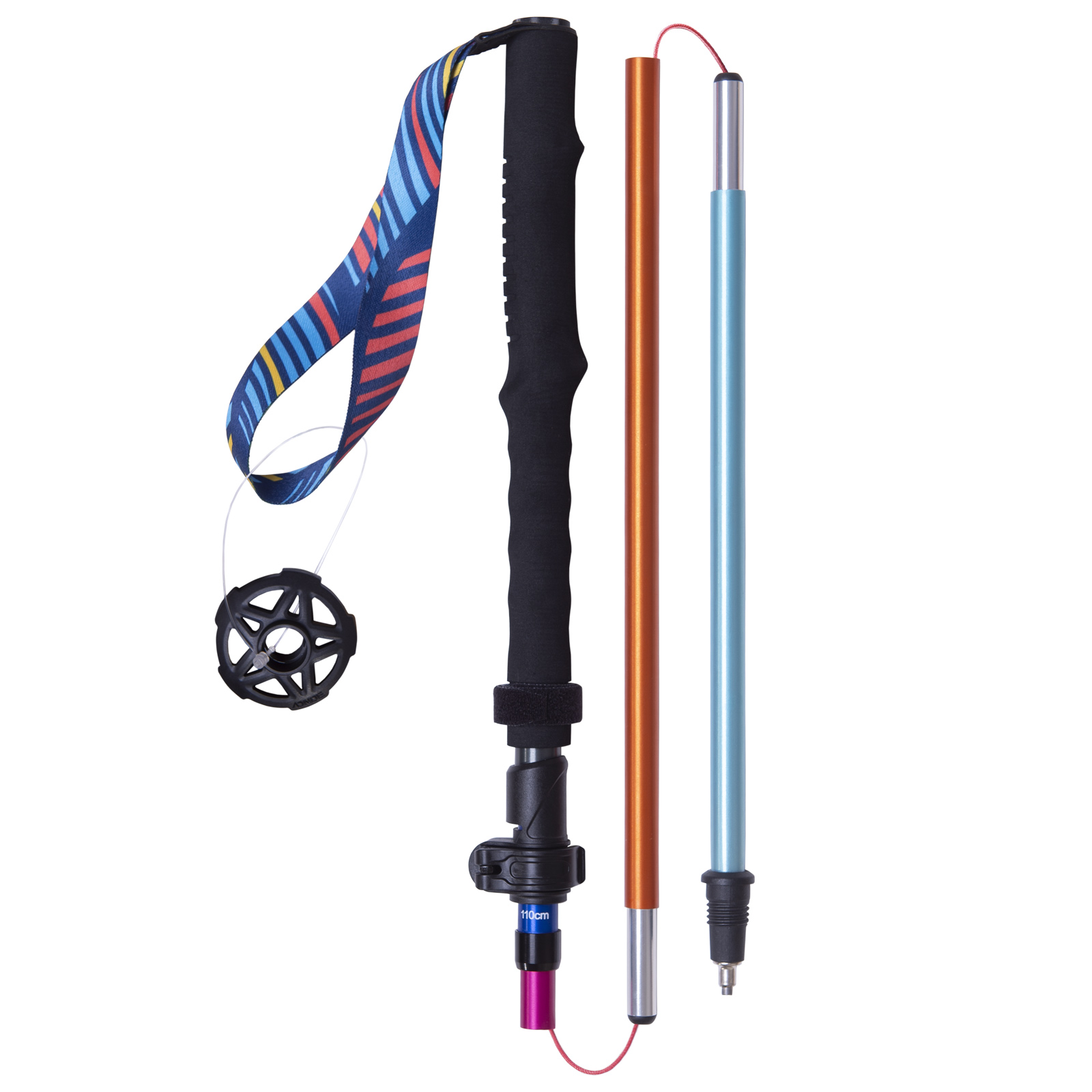

The AONIJIE E4208 Hiking Poles are a perfect blend of style, durability, and functionality. Designed for the modern adventurer, this hiking stick ensures stability and support on all terrains.Specifications:Brand: AONIJIEModel Number: E4208Color: Vibrant rainbow color.Free Length: Adjustable from 11..
NZ$ 79.00

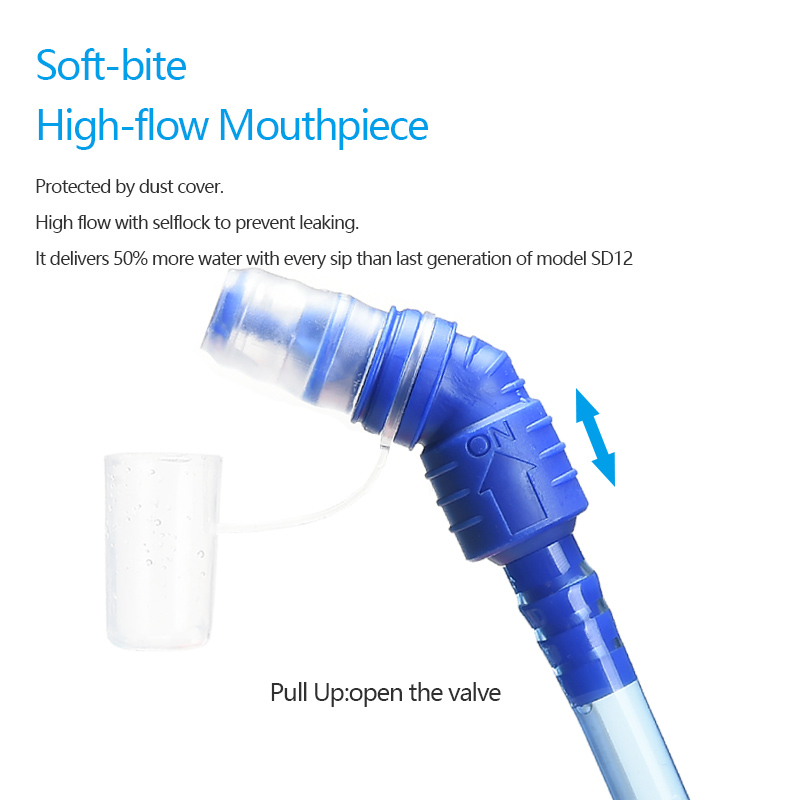
The AONIJIE Hydration Bladder is your perfect companion for staying hydrated during outdoor activities. Available in capacities of 1.5L, 2L, and 3L, it's designed to provide a quick and easy hydration solution for runners, hikers, cyclists, climbers, and campers. The plug-n-play system allows for ea..
NZ$ 36.90
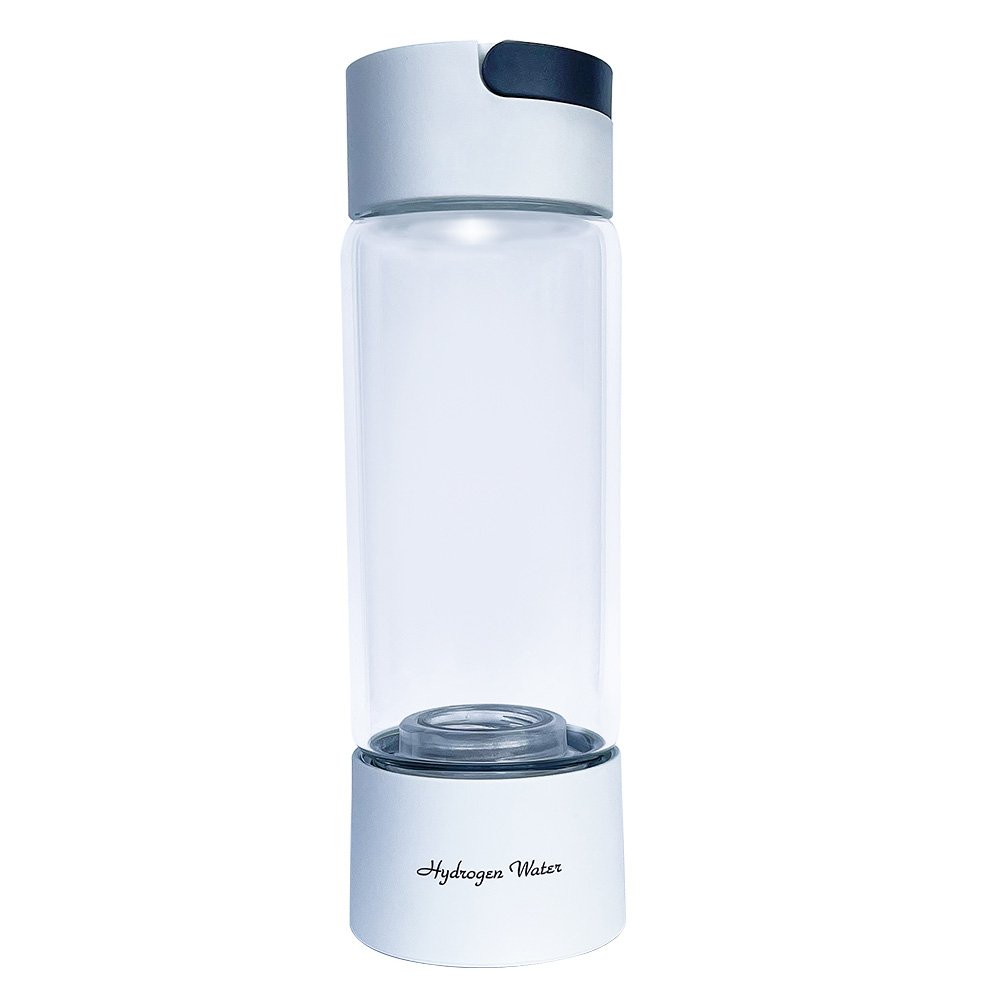
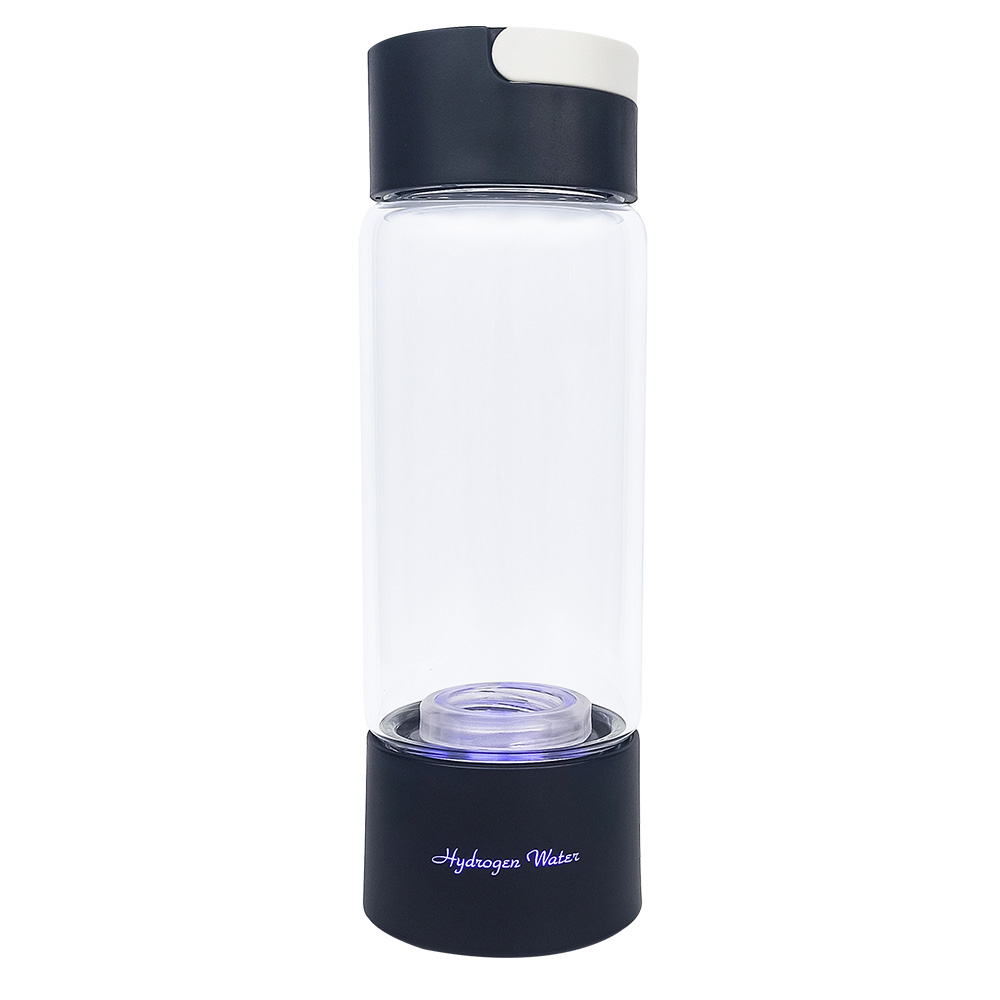
The BlueVida SPE&PEM Hydrogen Water Bottle is a state-of-the-art hydrogen water generator designed for those prioritizing health and wellness. Renowned as the best hydrogen water bottle on the market, this advanced device infuses your water with high concentrations of hydrogen, effectively boost..
NZ$ 149.00


Hot
Experience the perfect blend of durability and lightweight convenience with the Boundless Voyage Titanium Water Bottle. Crafted from pure, robust titanium, this 750ml bottle is an essential addition to your hiking gear. Despite its sturdy construction, it weighs only about 135g, making it easy to ca..
NZ$ 108.90
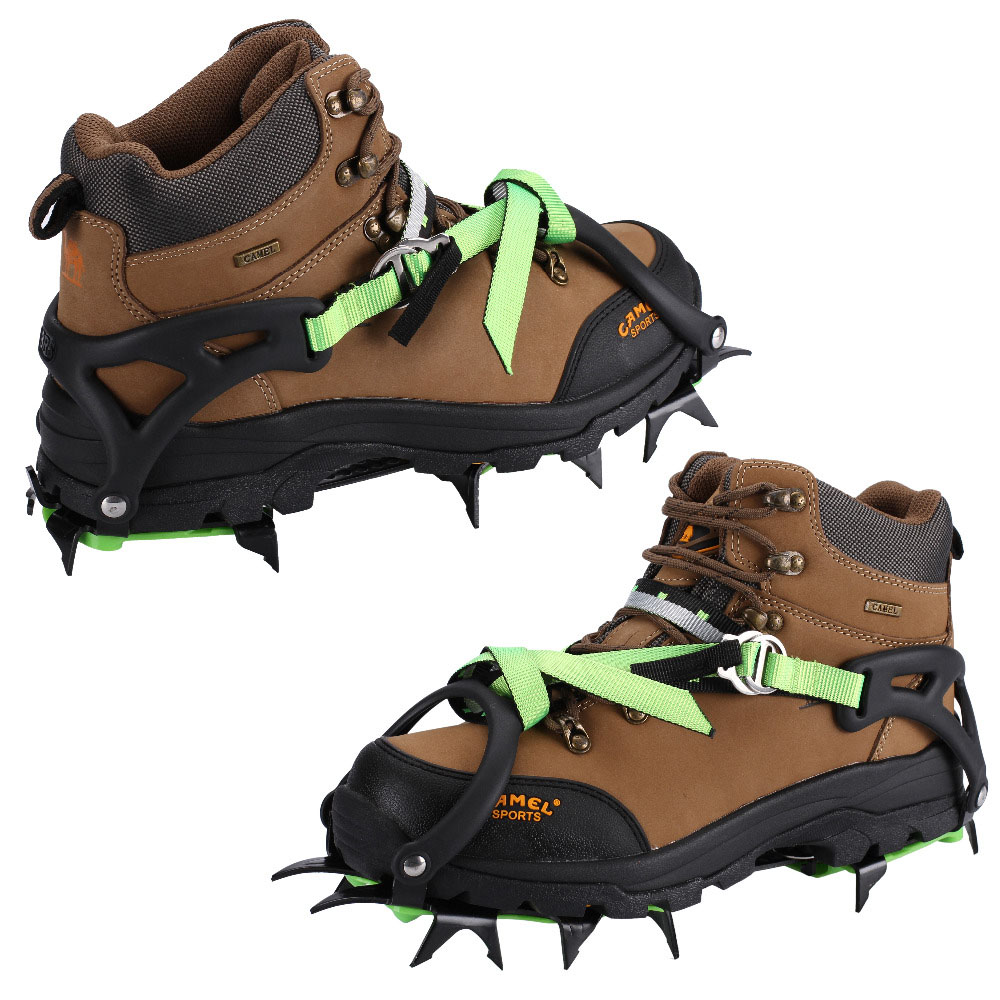
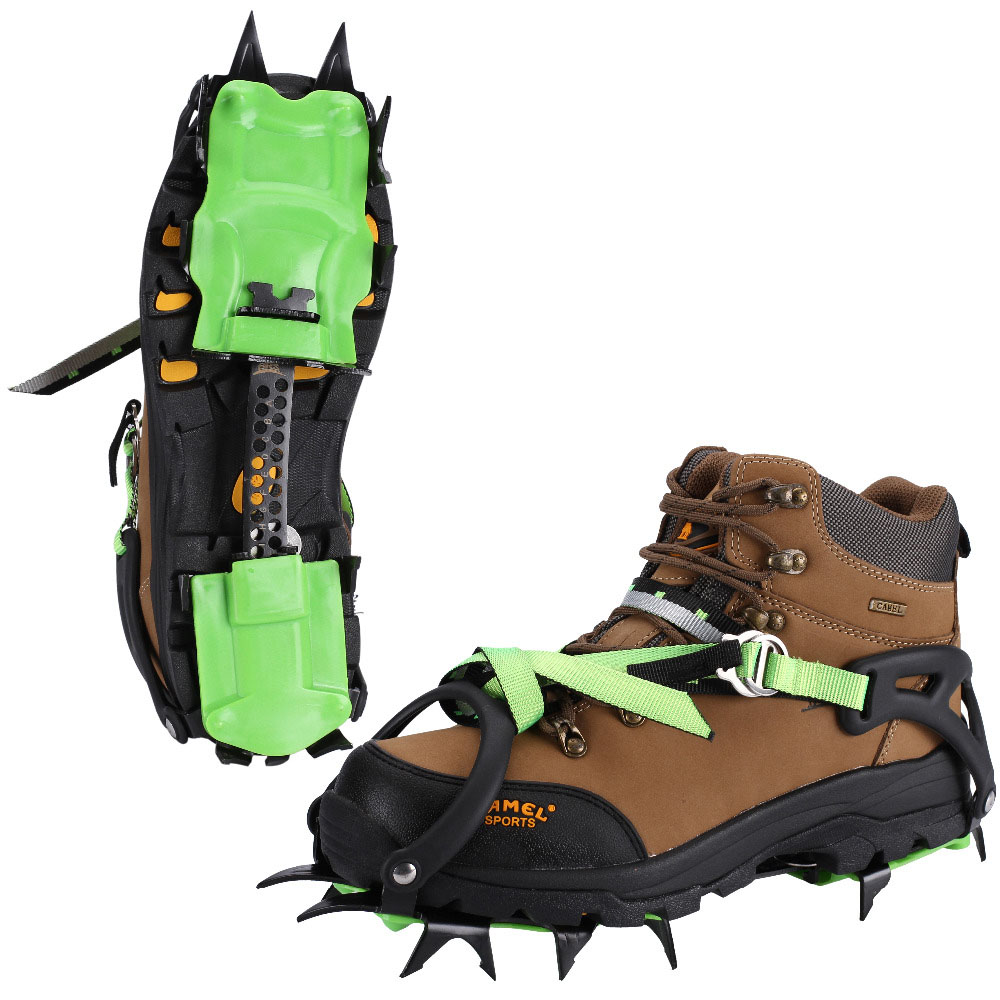
Key Features:Robust Manganese Steel Frame: Offers excellent strength and durability, capable of withstanding extreme conditions.Flexible and Shock-Absorbent Frame: The semi-rigid design allows for shock absorption and resistance to strain.Adjustable Fit: Features an adjustment linking bar for a secu..
NZ$ 139.00
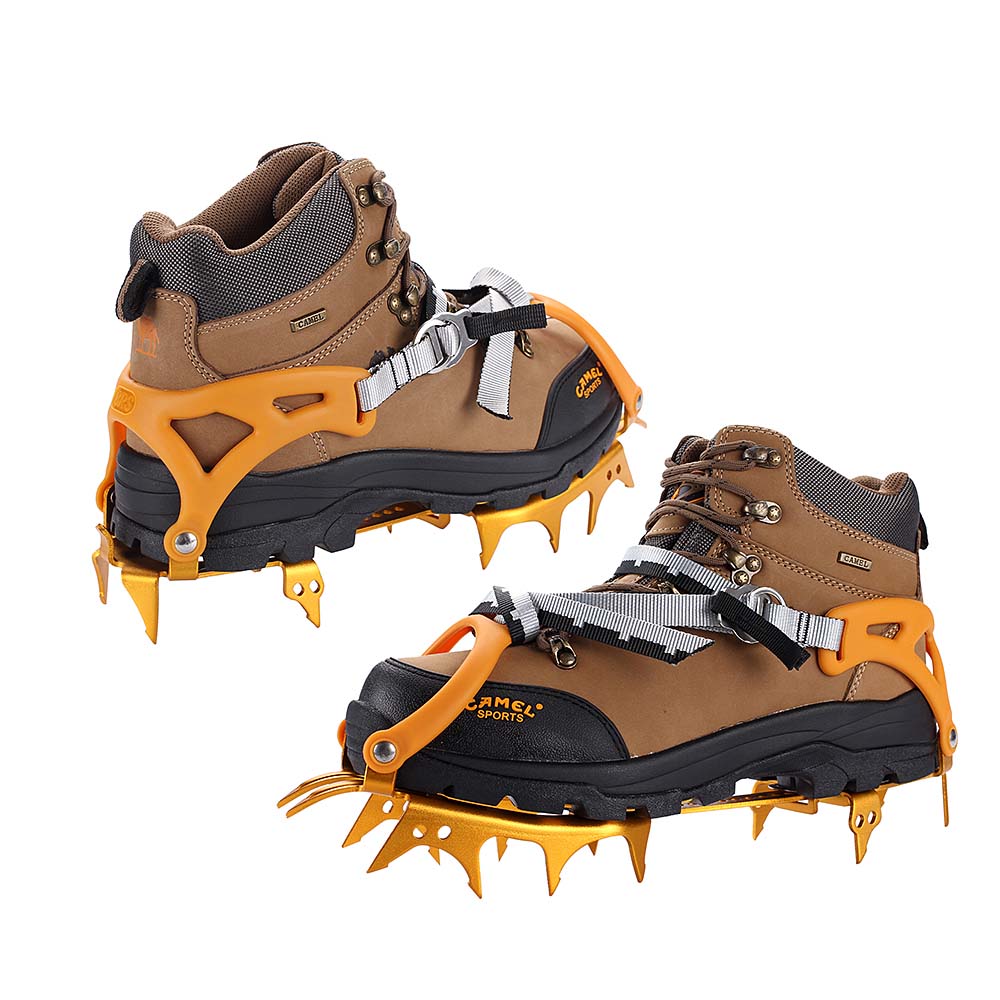
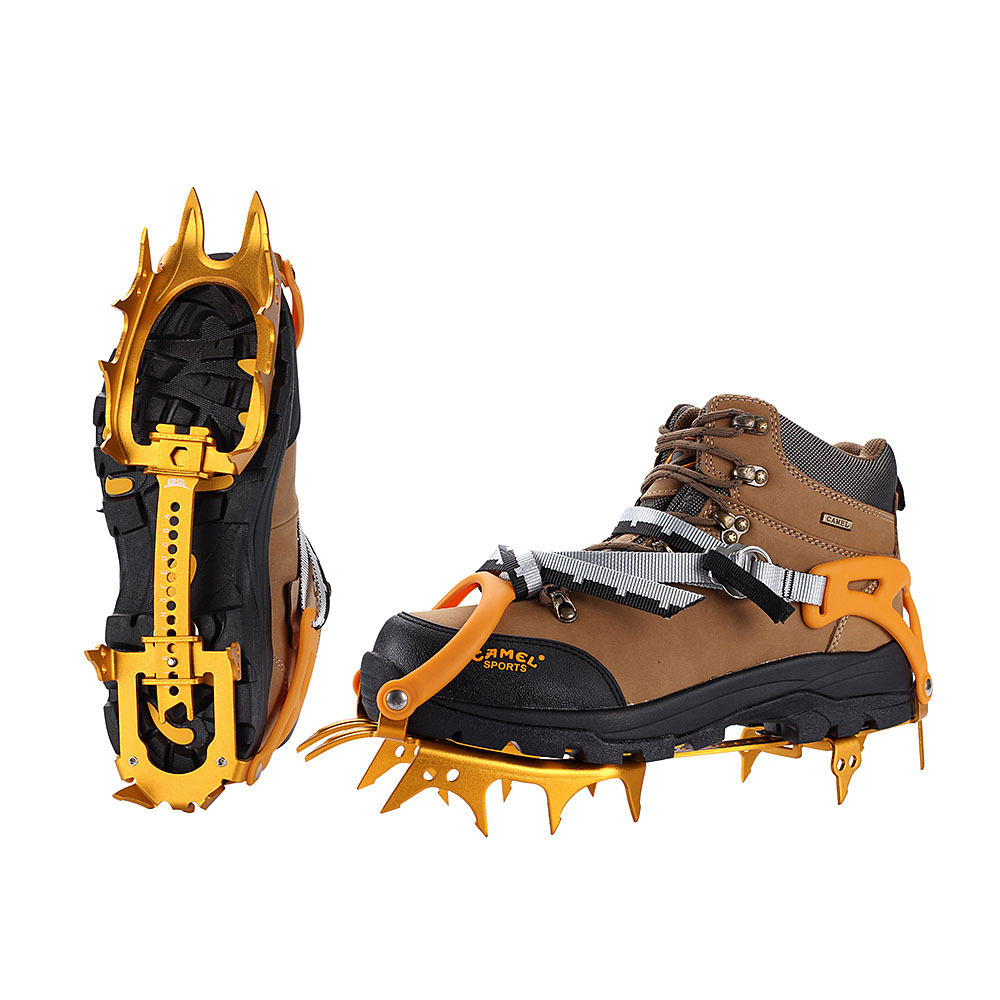
Conquer the ice with unwavering confidence - the BRS S3 Aluminium Alloy Ice Crampons are your ultimate ally on treacherous terrain.• Fourteen strategically placed teeth provide exceptional grip and stability on icy surfaces• Durable 7075 aluminum alloy and cold-resistant TPU construction for reliabl..
NZ$ 149.00