Not sure what length you need? Use our pole length calculator to find your perfect fit.
Trekking poles transform steep descents into controlled glides and river crossings into confident strides. Whether you're tackling the Kepler Track's alpine ridges or navigating the Routeburn's swing bridges, the right poles reduce knee strain, improve balance on technical terrain, and help you move faster with less fatigue. At Backwoods, we stock carbon fiber and aluminium poles built for NZ's demanding tracks, from lightweight carbon options for fast-packers to durable aluminium poles for multi-day Great Walks tramping.
Carbon Fiber vs Aluminium Trekking Poles
Carbon fiber poles deliver ultralight performance for weight-conscious trampers. At 200-250 grams per pair, carbon poles reduce swing weight and arm fatigue on long days, making them ideal for the Tongariro Alpine Crossing's 19.4km route or fast-paced Great Walks attempts. Carbon fiber absorbs trail vibration better than aluminium, providing a smoother feel on rocky terrain and reducing stress on wrists and elbows. Premium carbon poles use aerospace-grade materials with tungsten carbide tips for durability on volcanic scree and river rocks.
Aluminium trekking poles offer proven durability at accessible price points. Built from 7075 aircraft-grade aluminium alloy, these poles handle heavy loads and rough treatment without breaking. Aluminium poles can bend under extreme stress but rarely snap completely, making them reliable for backcountry tramping where pole failure means no backup. Anti-shock systems in aluminium poles absorb impact on steep descents like the McKinnon Pass on the Milford Track, protecting knees and ankles over thousands of steps downhill.
Trekking Poles for Great Walks & Multi-Day Tramping
Great Walks routes demand poles that handle diverse NZ terrain. The Routeburn Track's river crossings require solid plant and grip in swift water, while the Kepler Track's 1,400-metre descent from Mt Luxmore puts massive strain on knees without pole support. Abel Tasman's beach-to-bush transitions need adjustable poles that work on sand and tree roots. Heaphy Track's 82 kilometres reward lightweight poles that don't add fatigue over four days of tramping.
Multi-day tramping means carrying tent, sleeping bag, food, and cooking gear. A 15kg pack multiplies impact forces on every downhill step. Trekking poles transfer 25-30% of that load to your arms and shoulders, dramatically reducing knee compression and preventing the累overuse injuries that end trips early. Adjustable poles let you shorten length for uphill power and extend for downhill control, adapting to NZ's vertical terrain without stopping to fiddle with locking mechanisms.
Lightweight & Foldable Hiking Poles
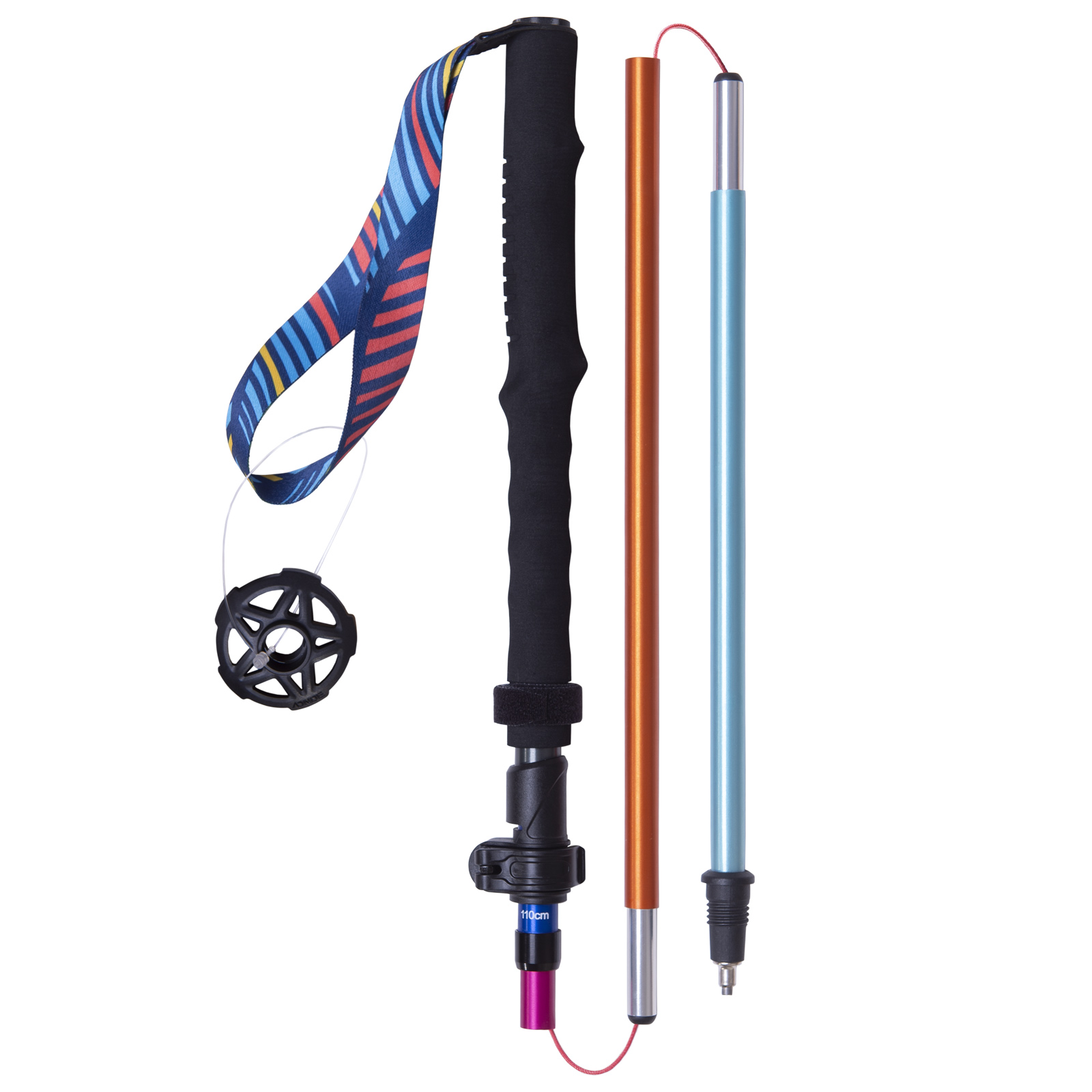
Foldable trekking poles pack down to 30-40cm, fitting inside or strapped to backpacks when scrambling or using hands on technical sections. Quick-deploy designs extend to full length in seconds via shock cord internal systems, ready for sudden steep descents or unexpected river crossings. Foldable poles work brilliantly for trips combining tramping with climbing or via ferrata, where poles get stowed frequently. Weight-conscious trampers appreciate foldable carbon poles under 200 grams per pair that disappear into pack side pockets.
Telescopic poles offer infinite adjustment within their range, typically 95-135cm to suit different heights and terrain. Flick-lock mechanisms provide tool-free length changes in seconds, essential when moving from flat bush tracks to steep alpine passes. Telescopic poles collapse for travel but don't pack as small as foldable designs. Three-section poles balance packability with rigidity, while two-section poles maximize strength for heavy packs or aggressive terrain.
Anti-Shock & Adjustable Walking Poles
Anti-shock systems use internal springs or elastomers to absorb impact spikes on each pole plant. On steep descents like the Luxmore Saddle or descending from the Tongariro summit, anti-shock poles reduce peak forces transmitted to elbows and shoulders by 20-40%. Spring systems can be locked out for uphill work where you want rigid pole plants for power transfer. Anti-shock mechanisms add 30-50 grams per pole but deliver measurable joint protection over thousands of steps.
Adjustable height matters because optimal pole length changes with terrain. For steep uphill, shorten poles 5-10cm to maintain comfortable arm angle while powering up grades. On steep downhill, lengthen poles 5-10cm to keep body upright and reduce forward lean that stresses knees. For flat tramping, set poles so elbows bend 90 degrees when pole tips touch ground beside your feet. Quality adjustment mechanisms lock securely without slipping under load, critical when trusting poles on tricky river crossings or scree slopes.
Grips, Tips, and Baskets for NZ Terrain
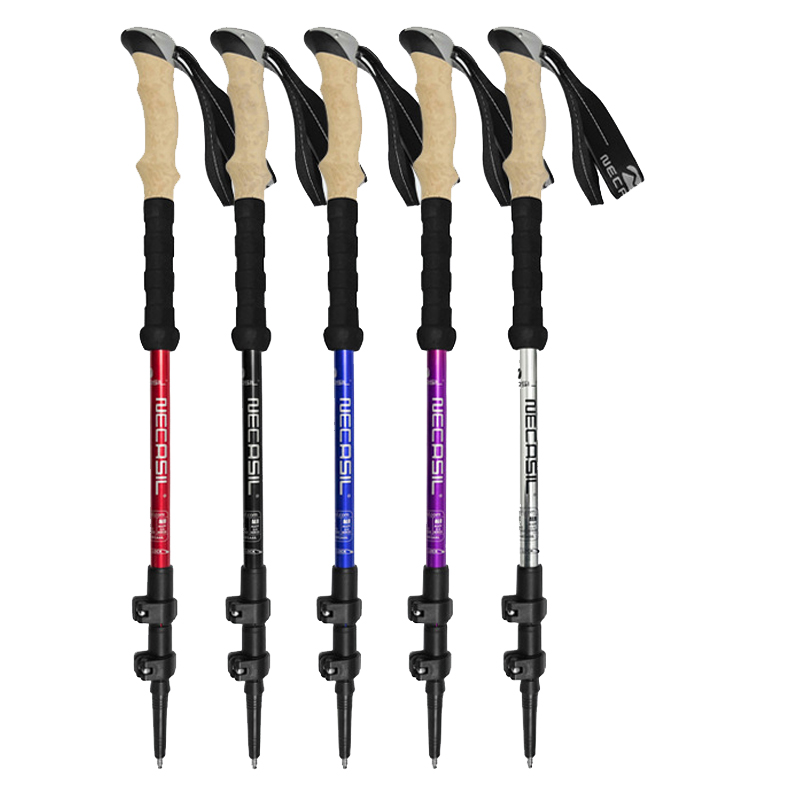
Cork grips mold to your hand shape over time and wick moisture naturally, staying comfortable in wet West Coast conditions. EVA foam grips insulate better in cold alpine environments and dry quickly after rain. Extended grips allow multiple hand positions for varied terrain without adjusting pole length. Padded straps transfer weight to wrists, letting you relax grip on flat sections to reduce hand fatigue on long tramping days.
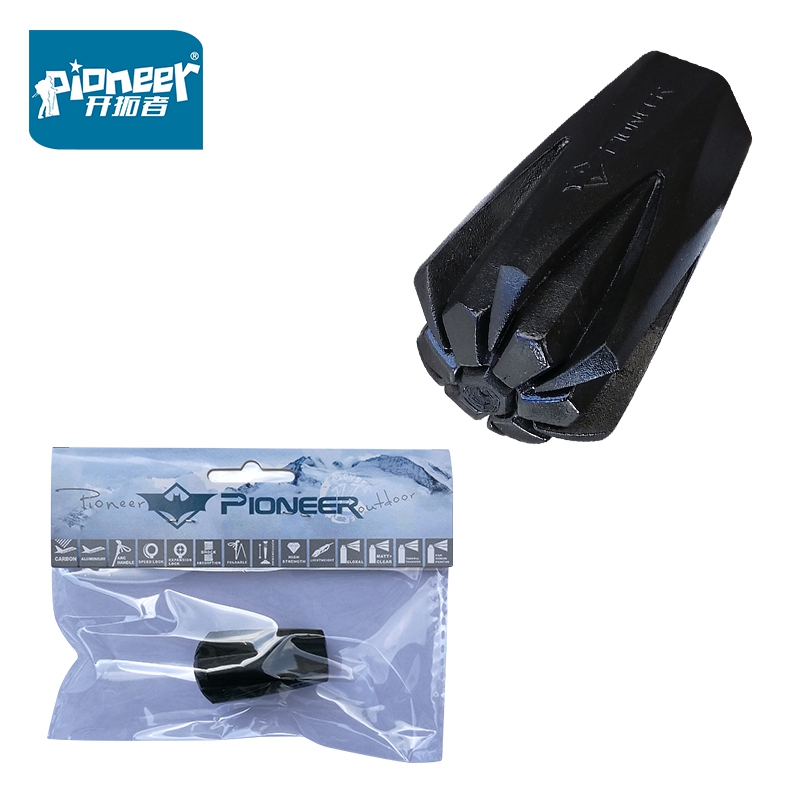
Tungsten carbide tips grip on rock, tree roots, and hard-packed trails without excessive wear. Rubber tip covers protect tips during storage and provide traction on wooden hut decks and boardwalks. Trekking baskets (50-60mm diameter) prevent poles sinking into mud on tracks like the Milford or Heaphy during wet months. Snow baskets (90-100mm diameter) are essential for winter alpine tramping or ski touring in the Southern Alps, distributing weight on snow surface.
Choosing the Right Trekking Poles
Match pole type to your tramping style and fitness level. Lightweight carbon poles suit fit trampers doing fast-paced day hikes or ultralight multi-day trips where every gram matters. Durable aluminium poles work for heavy pack tramping, families with kids who might stress poles, or trampers building strength and endurance. Budget-conscious trampers get excellent value from mid-range aluminium poles with basic features that perform reliably for years.
Consider foldable poles for international travel or mixed outdoor activities. Choose telescopic poles for maximum adjustability and simple maintenance. Prioritize anti-shock if you have existing knee issues or plan sustained steep descents. Test poles in-store if possible, checking that grips feel comfortable, adjustment mechanisms operate smoothly, and extended poles feel rigid without flex. Quality poles last hundreds of tramping days, making them one of the highest-return investments in your outdoor kit.
Shop Trekking Poles at Backwoods
Backwoods stocks carbon fiber and aluminium trekking poles from proven brands including Vipole, Pioneer, and Naturehike. Browse our range to find ultralight carbon poles under 200 grams, robust aluminium poles for heavy loads, and foldable designs for versatile adventures. All trekking poles ship free across New Zealand on orders over $100. Need help choosing poles for specific Great Walks routes or multi-day tramping plans? Our team knows NZ tracks and can recommend poles suited to your terrain and fitness level.
Explore our full tramping and hiking gear range including backpacks, hiking boots, hydration systems, and gaiters to complete your outdoor kit. Check out our Vipole trekking poles featuring Italian-engineered Super HSA shock absorbers and aerospace-grade aluminium construction.