


- Stock: In Stock
- Brand: Naturehike
- Model: NH21YW157
- Weight: 5.80kg

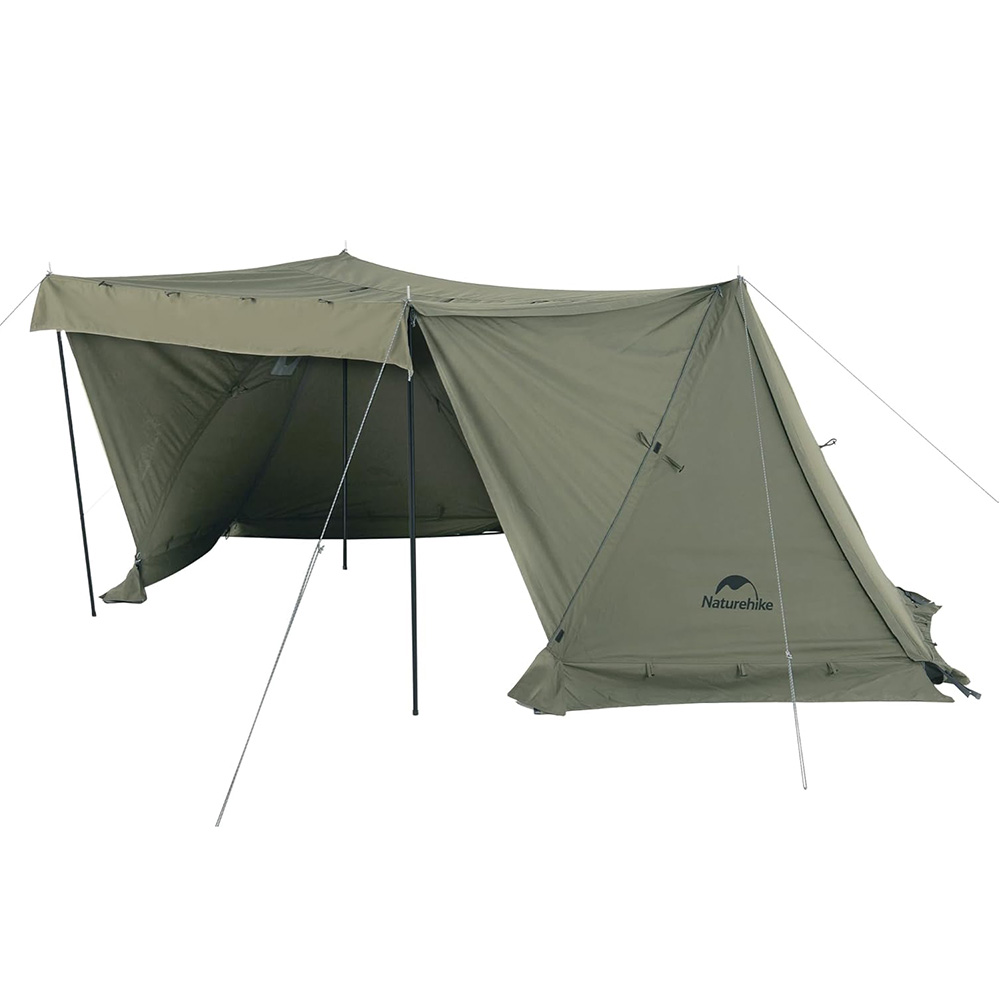
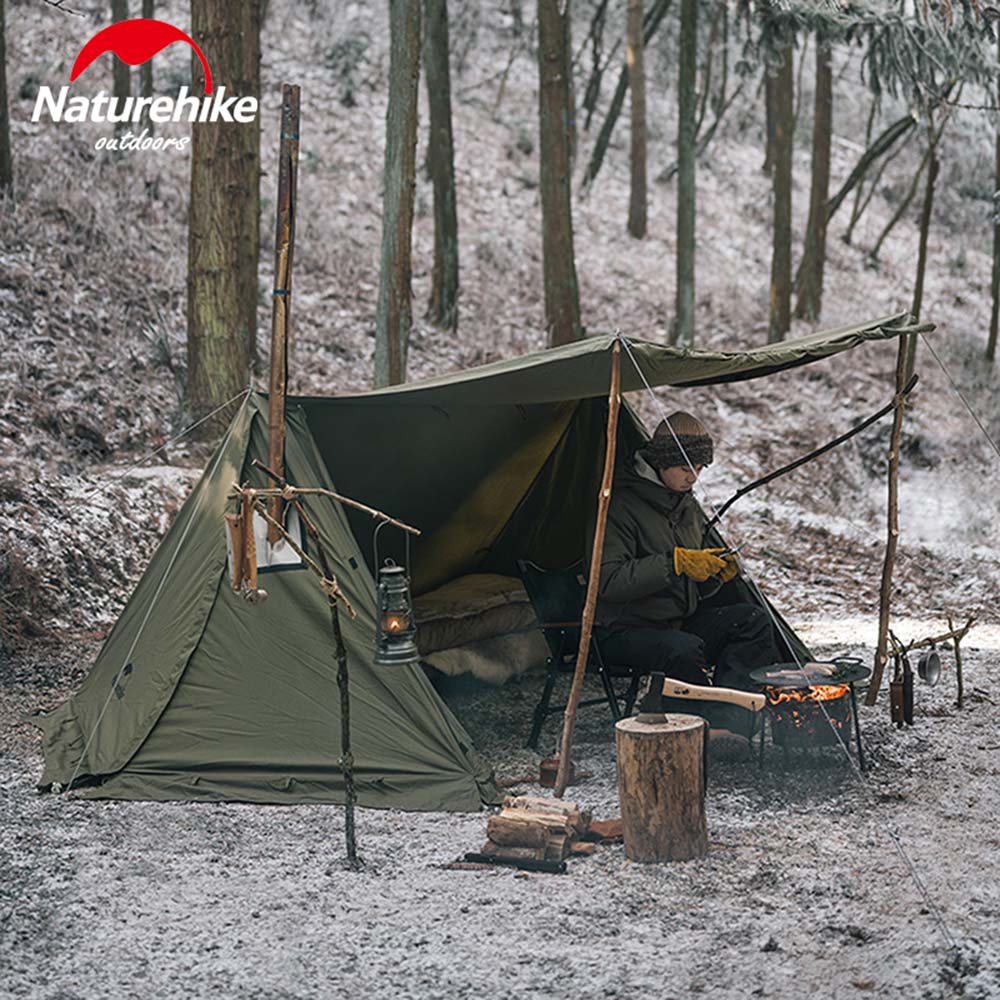
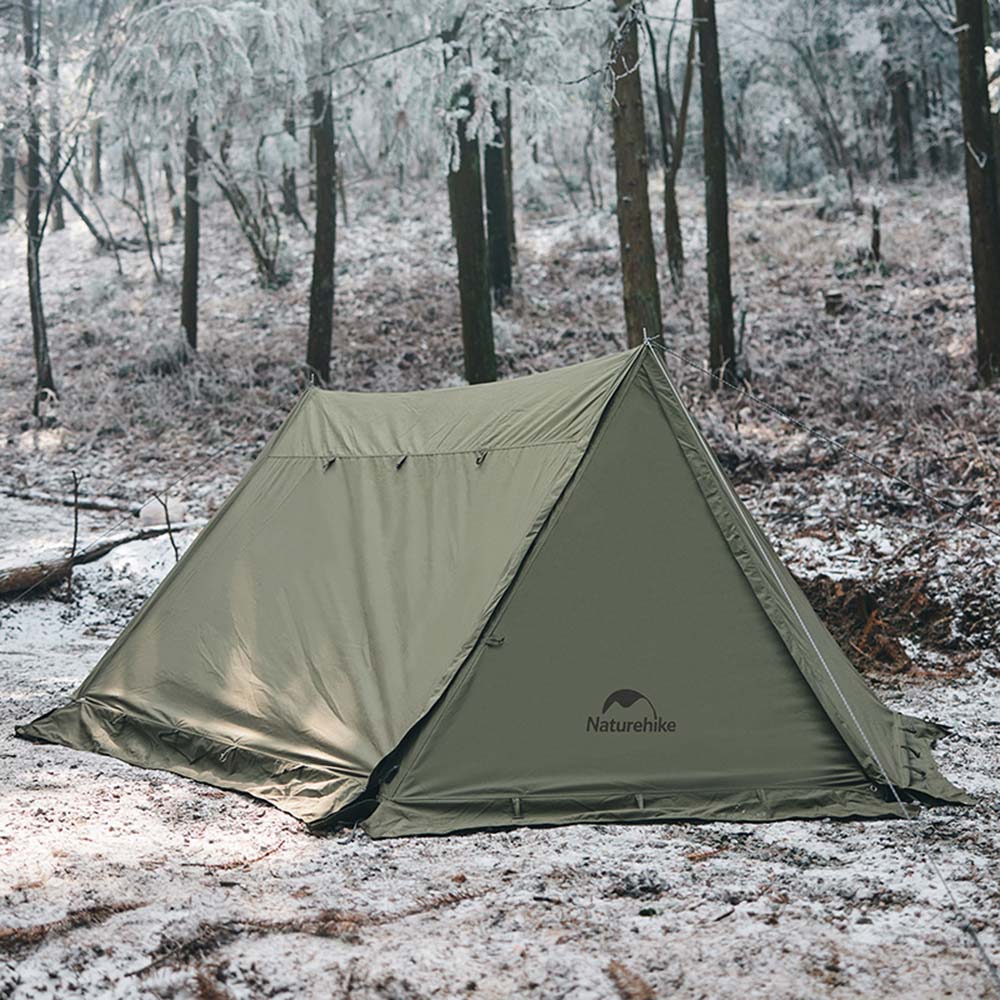
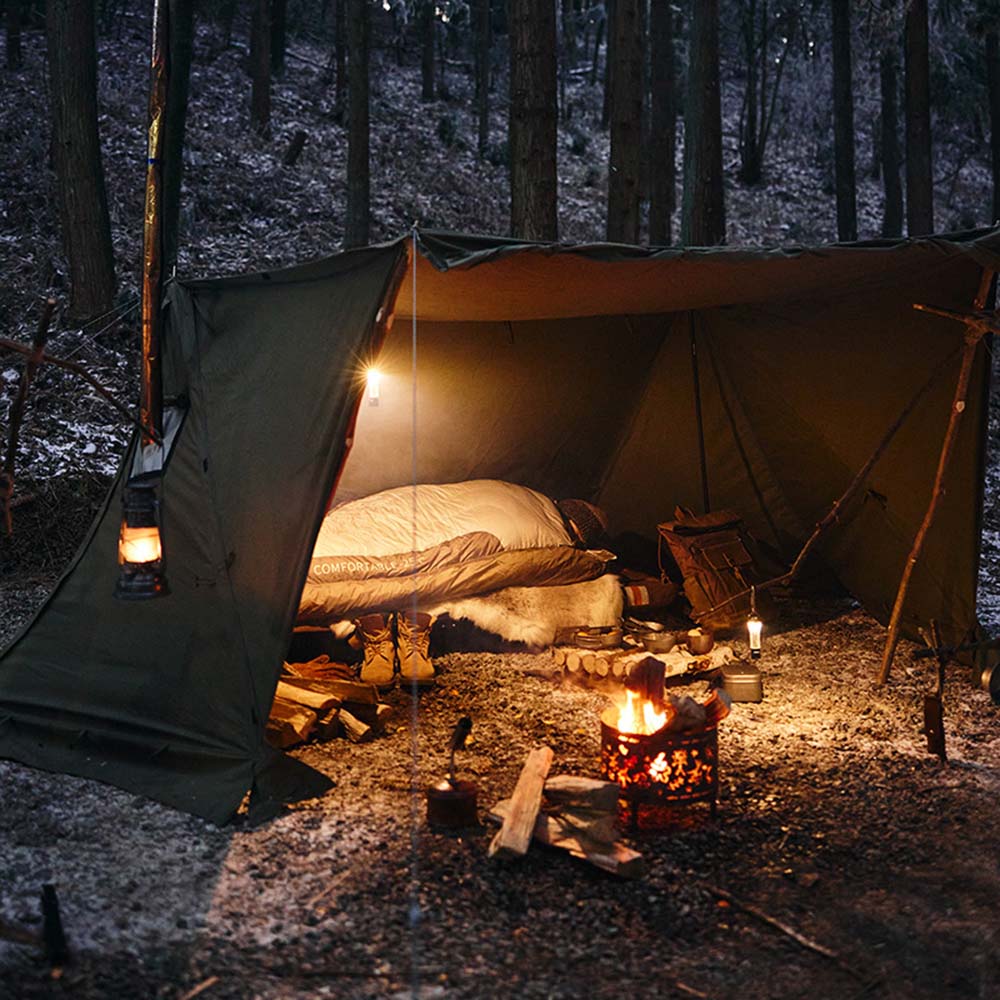
Enhance your solo camping experience with the Naturehike Ares Camping Tent, featuring a stove jack for added convenience. This tent is designed for one person, providing a comfortable and secure shelter in various weather conditions.
Key Features:
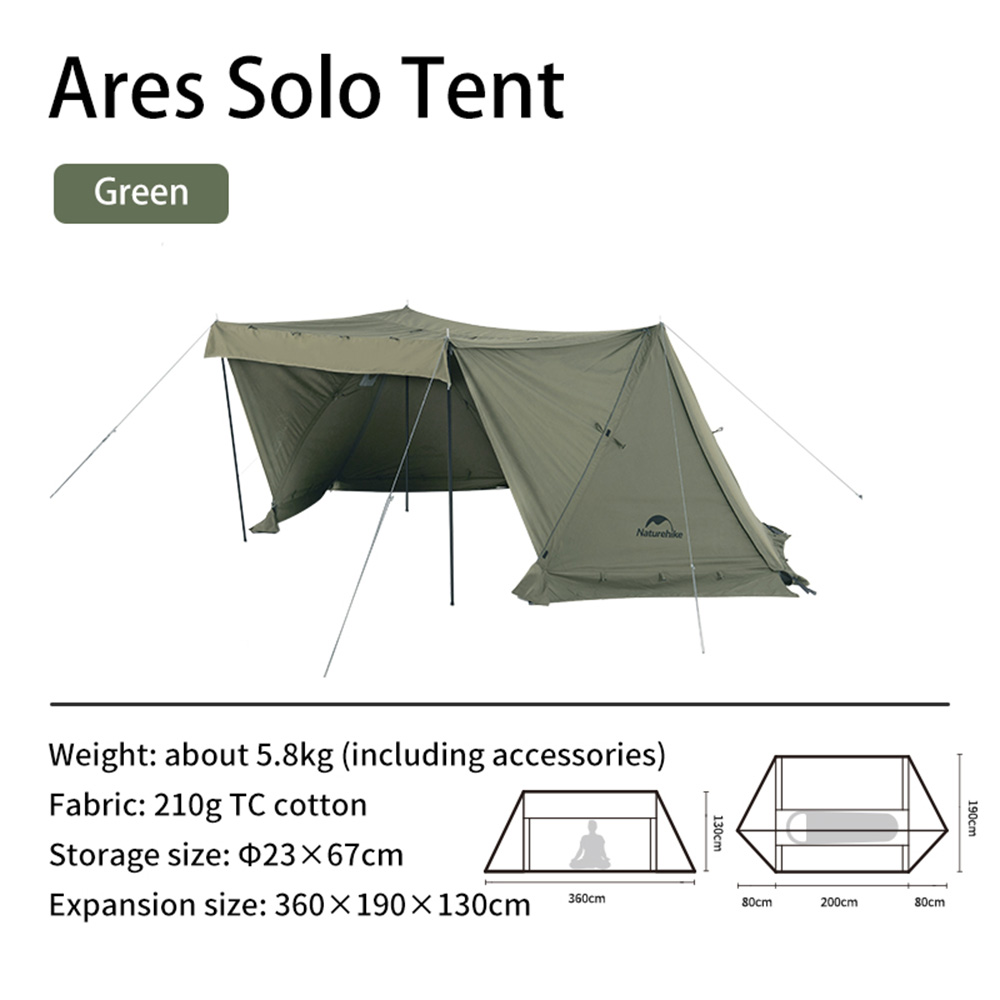
- Compact and Lightweight: Weighing approximately 5.8kg, including all accessories, the Naturehike Ares Camping Tent is easy to carry and perfect for solo adventurers.
- Durable Fabric: Made from 210gTC cotton, the tent offers excellent durability and protection against the elements.
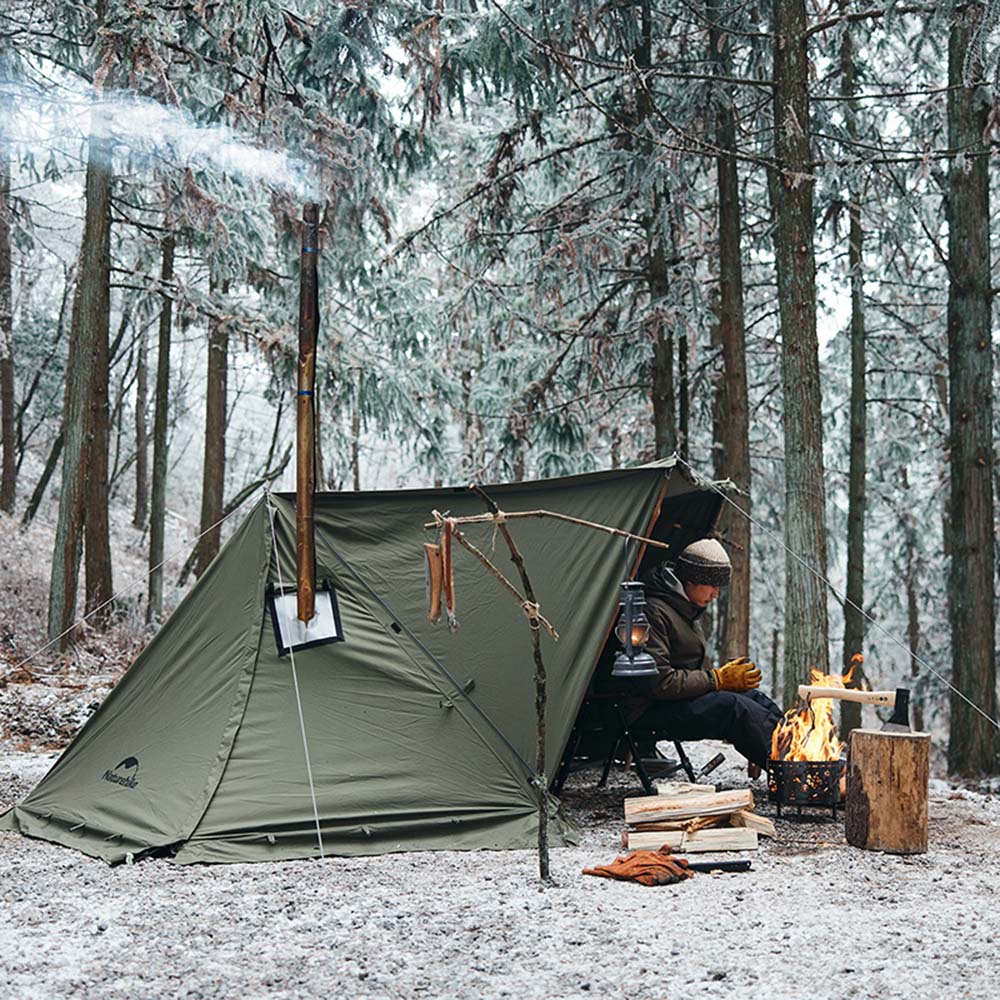
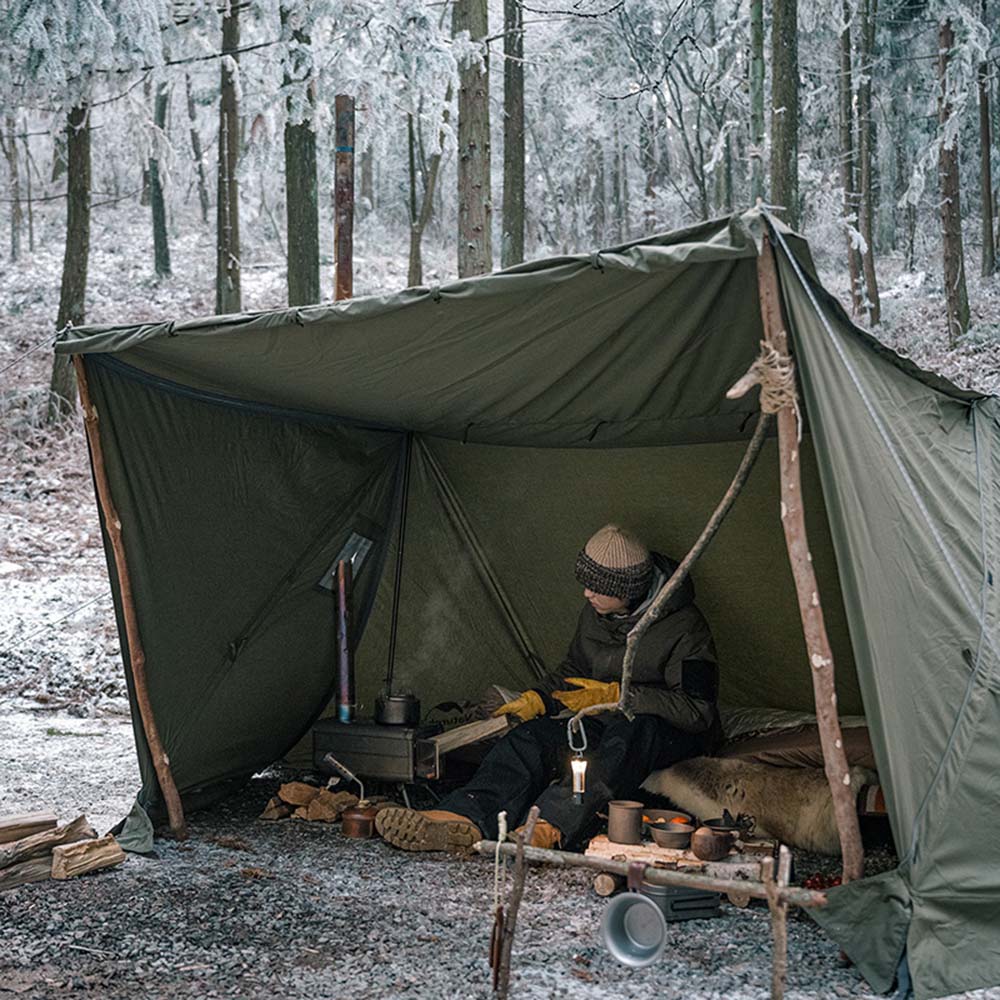
- Stove Jack Included: Equipped with a stove jack, allowing you to use a wood-burning stove inside the tent, providing warmth and cooking options.
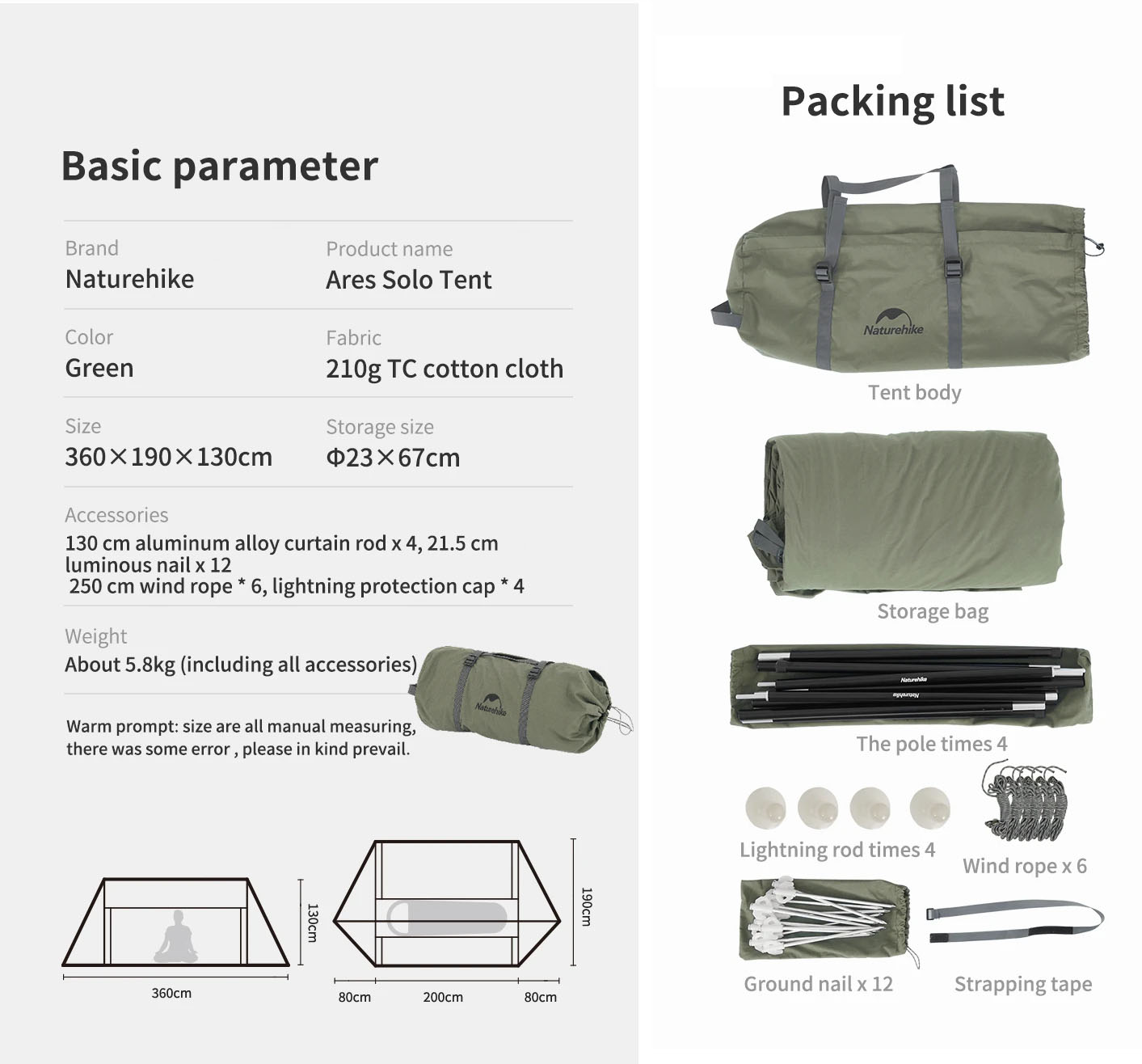
- Spacious Design: With dimensions of 360x190x130cm, this tent offers ample space for one person and their gear.
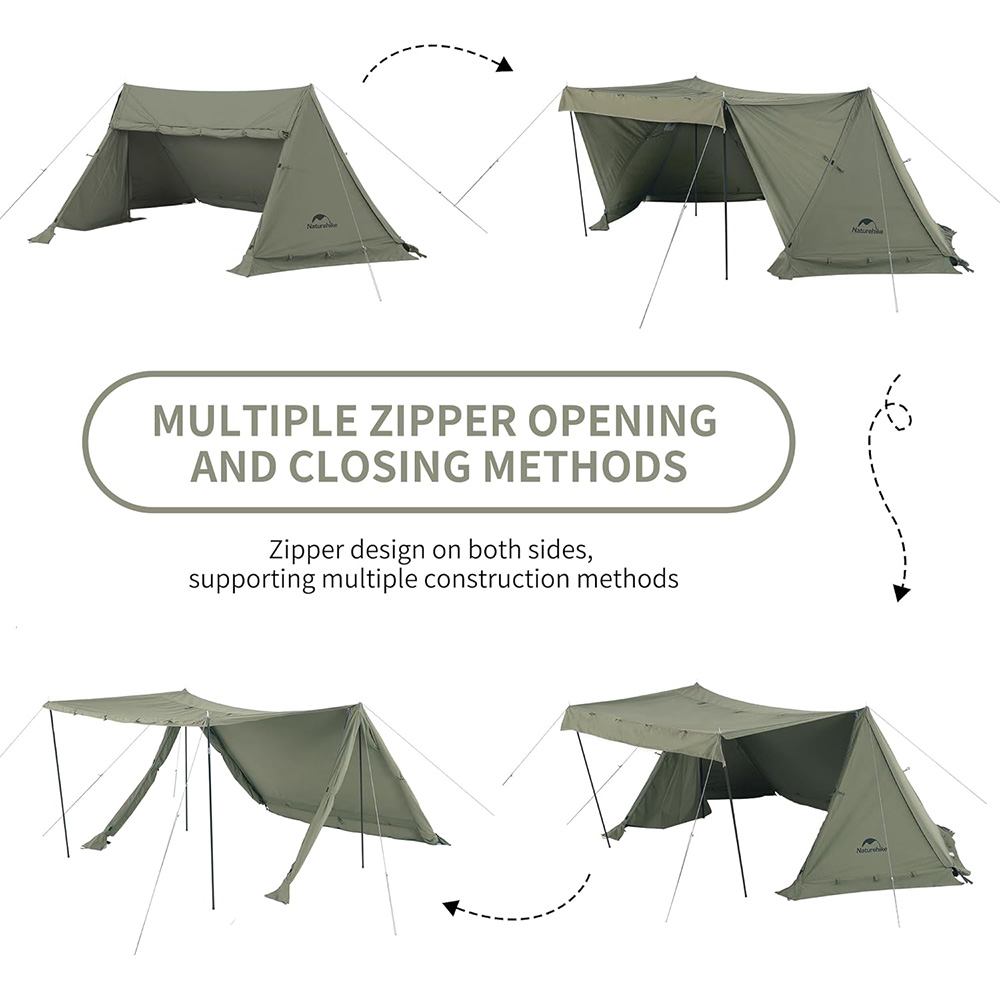
- Easy Setup: The tent includes 130cm aluminum alloy poles, ground nails, and wind ropes, ensuring a quick and stable setup.
Specifications:
- Model Number: NH21YW157
- Material: 210gTC Cotton
- Weight: Approximately 5.8kg
- Package Size: 23x23x67cm
- Color: Army Green
- Usage: Ideal for solo camping, hiking, and outdoor adventures.
Included in the Package:
- Tent
- Storage Bag
- 130cm Aluminum Alloy Tent Poles x4
- Lightning Caps x4
- 250cm Wind Ropes x6
- Binding Strap
- 21.5cm Ground Nails x12
This Naturehike Ares Camping Tent with stove jack is perfect for solo campers looking for a reliable and durable shelter. Whether you're hiking, camping, or exploring the wilderness, this tent provides the comfort and convenience you need for a successful outdoor adventure.
Note: Tent Stove is not Included
What defines "waterproof" in a tent, and what does the "mm" rating mean?
For a Naturehike tent, "waterproof" means that all external fabric has been coated with exceptional polyurethane coatings, and the seams are watertight right out of the bag. The "mm" refers to millimeters and is paired with a number to represent a standardized measurement of a coating's waterproofness. For instance, a 1500mm coating will withstand a 1500mm (5') column of water for more than one minute before a single drop might appear through the fabric. This level of protection is strong enough to prevent rain from leaking into a tent during a hurricane-force storm.
What do the letters D and T after the fabrics mean?
"D" stands for Denier, a numbering system for fibers, filaments, and yarns. In this system, lower numbers are lighter/finer, and higher numbers are heavier/coarser. "T" stands for Thread Count, specifically the number of warp and fill threads in a square inch. Lower numbers represent a loosely woven fabric, and higher numbers represent a tightly woven fabric. These two numbers together help indicate the strength and feel of a piece of fabric.
What's the best way to clean my tent?
Cleaning your tent is not necessary unless it has an offensive odor or becomes heavily soiled. If heavily soiled, the pressure from a regular garden hose will remove most loose dirt. For more severe cleaning, set up your tent and hand wash it with warm water, a sponge, and mild, non-detergent soap. Do not use dishwashing liquid, detergent, bleach, pre-soaking solutions, or spot removers. Rinse well. Dry your tent by pitching it or line-drying it. Never dry clean, machine wash or machine dry your tent. Any of these methods can remove all the waterproof coatings from the tent.
How do I prevent mildew?
One of the easiest ways to damage your tent is by not drying it as quickly as possible after it gets wet. Storing a wet tent for as little as 24 hours in warm weather is likely to start the process of mildew formation. Mildew can permanently damage the waterproof coatings by causing them to separate from the fabric, but mild to severe staining is more common. Mildew stains are permanent. They cannot be removed without potential harm to the fabric coatings and are not covered by warranty. Even when your tent appears to be dry after use, it is always best to ensure it is completely dry before storing. Hang it outside or pile it loosely in your house for a few days, turning it inside and out to ensure it has dried everywhere. Never machine dry your tent as the heat can melt the fabric.
We source products from all over the world to bring you epic offers and the lowest prices. This means sometimes you have to wait a little longer to get your order but it's always worth it!
We strive to process and send out your order promptly. Typically, this occurs within 24-72 hours. However, in certain situations, such as peak seasons or holidays, it might extend up to 5 business days. Upon successful confirmation of an order, a unique tracking number will be dispatched to the provided email address. It's important to note that the delivery of the order may range between 1 to 3 weeks, depending on the specified destination.
For further information on delivery procedures, timeframes, and policies, please refer to our Delivery Policy page.